
Common Myths About Fire Safety in Evansdale: What You Need to Know


Understanding Fire Safety: Dispelling Common Myths
Fire safety is critical for protecting your home and loved ones, yet many misconceptions linger. In Evansdale, understanding the truth about fire safety can make a significant difference in keeping your family safe. Let's explore some common myths and uncover the facts.
Myth 1: Smoke Alarms Are Enough
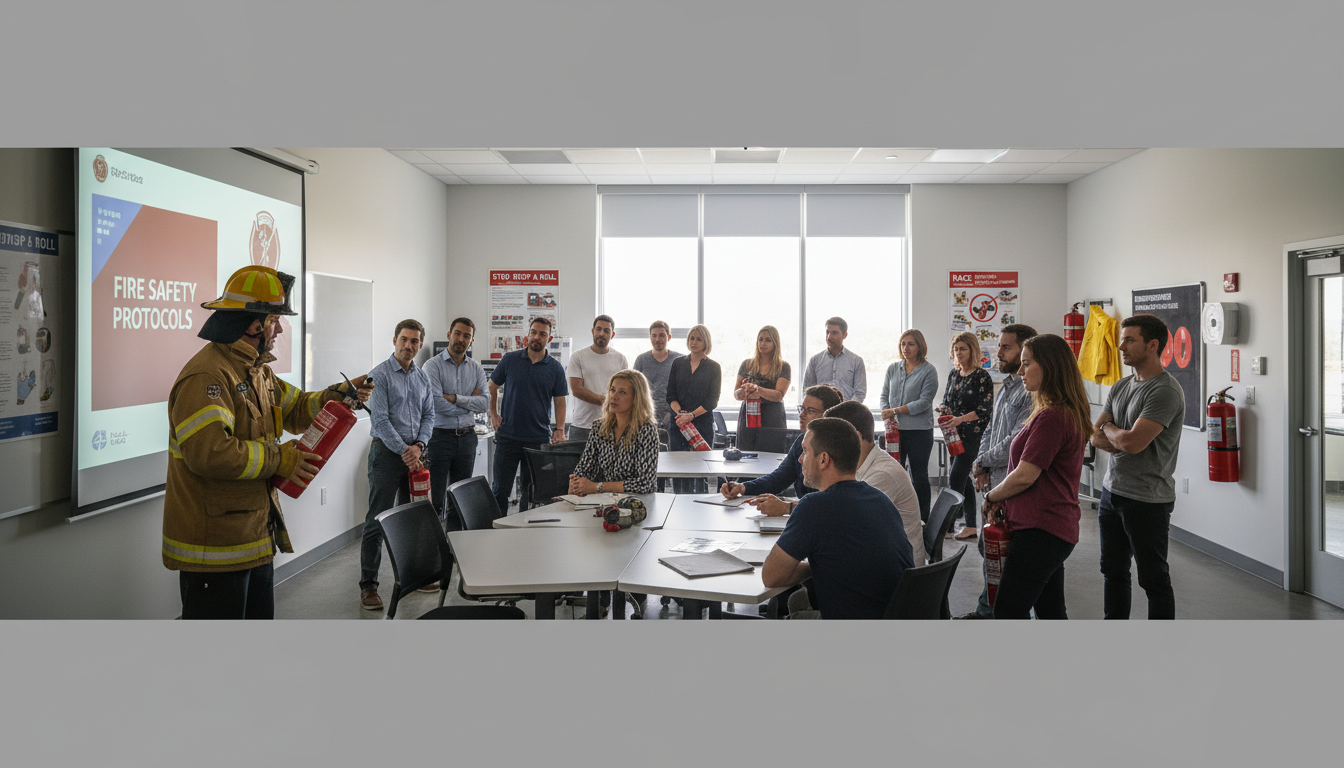
One prevalent myth is that smoke alarms alone provide sufficient fire protection. While smoke alarms are essential for early detection, they are not a complete solution. A comprehensive fire safety plan should include fire extinguishers, regular maintenance of electrical systems, and an evacuation plan.
Ensure smoke alarms are installed on every level of your home and test them monthly. Replace batteries at least once a year, and consider interconnected alarms for added safety.
Myth 2: Small Fires Are Easy to Control
Many people believe they can easily manage small fires with a fire extinguisher. However, fires can escalate rapidly, and attempting to control them without proper training can be dangerous. It's crucial to know when to evacuate and let professionals handle the situation.

Myth 3: Fire Sprinklers Cause More Damage
Some homeowners worry that fire sprinklers will cause more water damage than the fire itself. In reality, sprinklers are highly effective at controlling fires, often using less water than fire hoses. They activate individually, targeting only areas directly affected by fire.
Installing fire sprinklers can significantly reduce fire damage and increase survival chances.
Myth 4: Candles Aren't a Fire Hazard
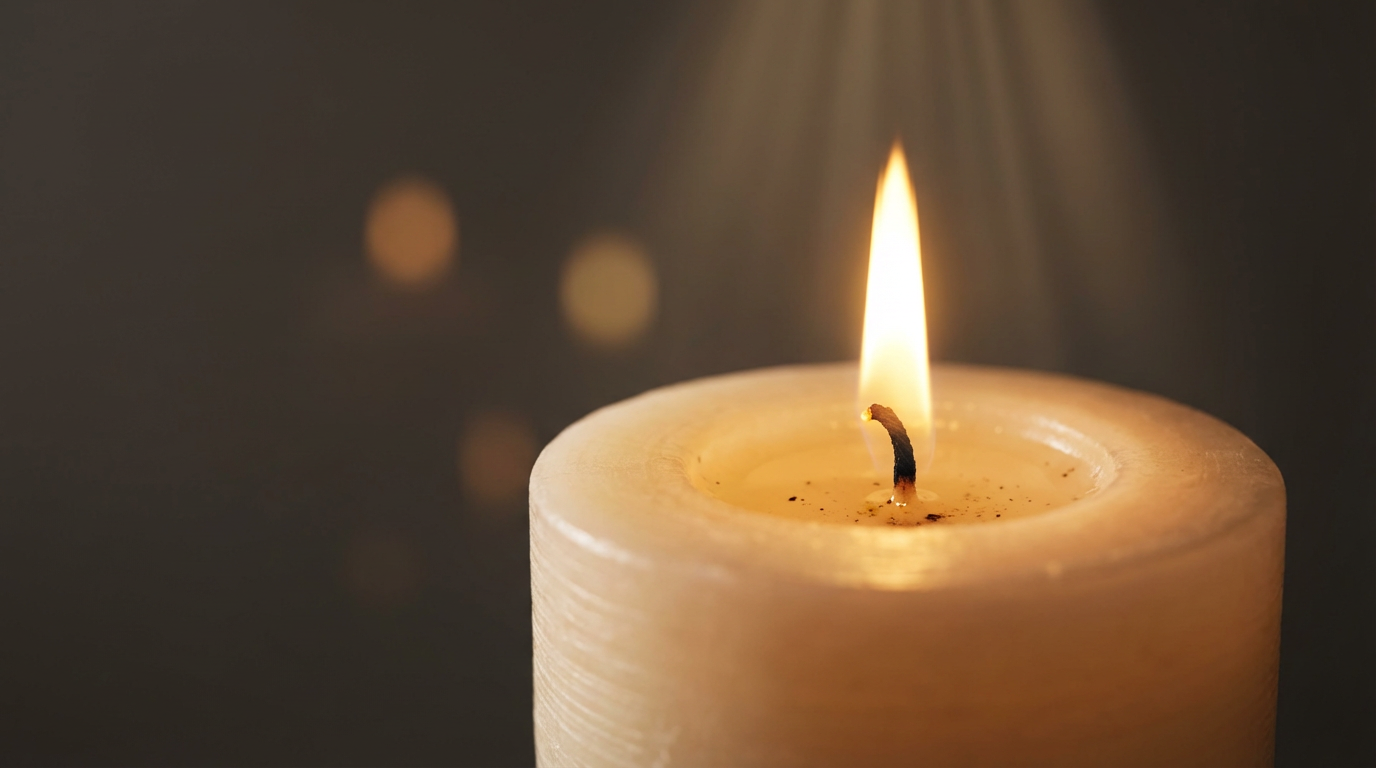
While candles can create a cozy atmosphere, they are a potential fire hazard if left unattended. It's vital to use them responsibly: keep them away from flammable materials, place them on stable surfaces, and never leave them burning when you leave a room.
Myth 5: Fire Drills Are Only for Schools
Fire drills are not just for schools; they are equally important for homes. Regularly practicing evacuation routes with your family ensures everyone knows what to do in an emergency. Designate a safe meeting spot outside and review the plan periodically.
Involving all family members, including children, in these exercises can save valuable time during an actual fire.
Taking Action: Empowering Your Family
Understanding and debunking these myths is the first step toward better fire safety. By taking proactive measures and educating your family, you can significantly improve your home's preparedness for a fire emergency. Remember, preparation and knowledge are your best defenses.