
Common Myths About Fire Safety Debunked by Evansdale Fire Department


Understanding Fire Safety Myths
Fire safety is a critical aspect of home and workplace security, yet many misconceptions persist. The Evansdale Fire Department aims to debunk common myths to ensure everyone is better prepared in case of an emergency.
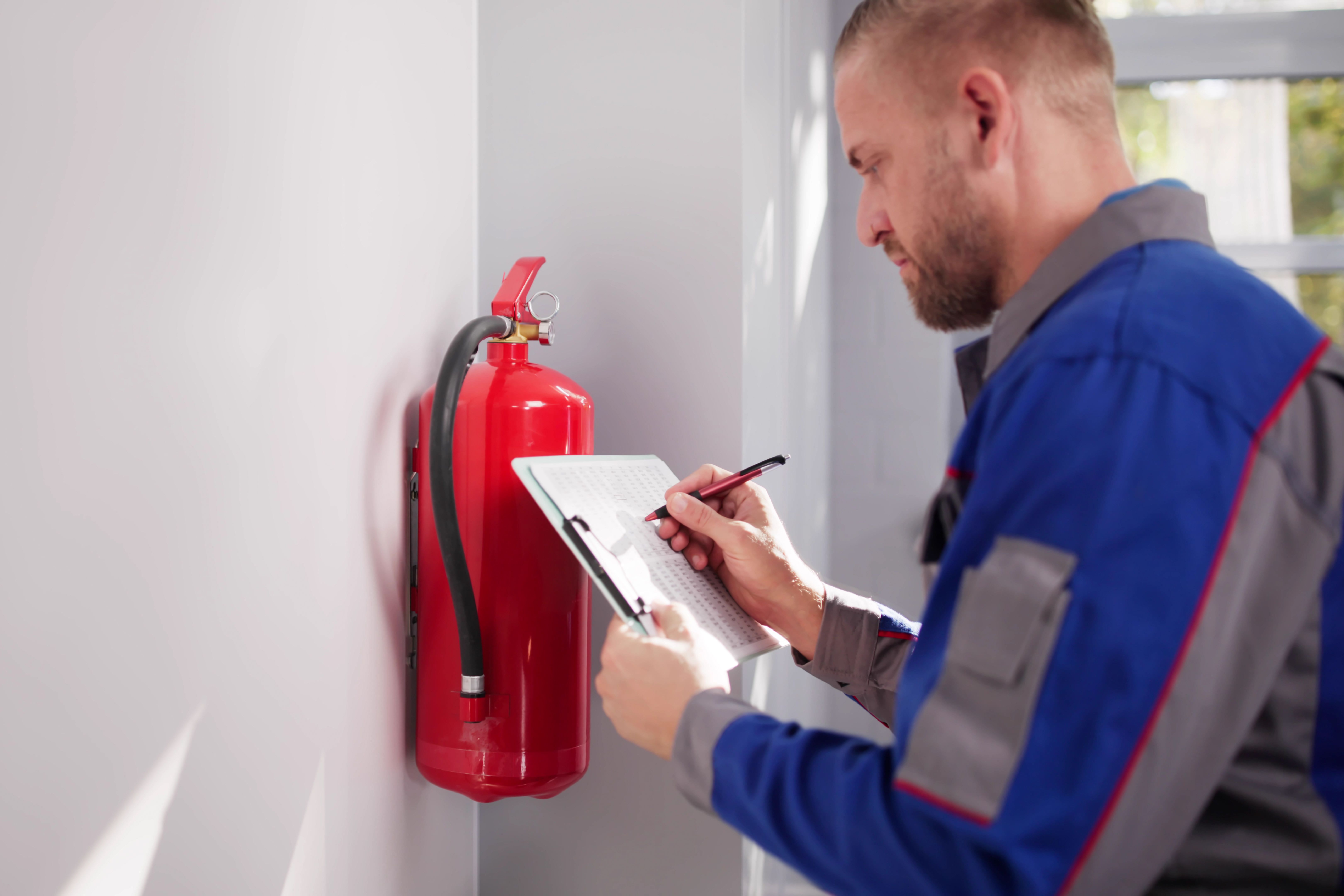
Myth 1: Small Flames Are Harmless
A common belief is that small flames or sparks are not dangerous. However, even a tiny flame can lead to a major fire. It only takes a few seconds for a small flame to ignite flammable materials and spread rapidly. Always treat any flame with caution and ensure it's completely extinguished.
Myth 2: Smoke Alarms Provide Enough Warning
While smoke alarms are essential, relying solely on them can be dangerous. They provide an alert, but in the event of a fire, every second counts. Develop an escape plan and practice it regularly to ensure everyone knows what to do when the alarm sounds.
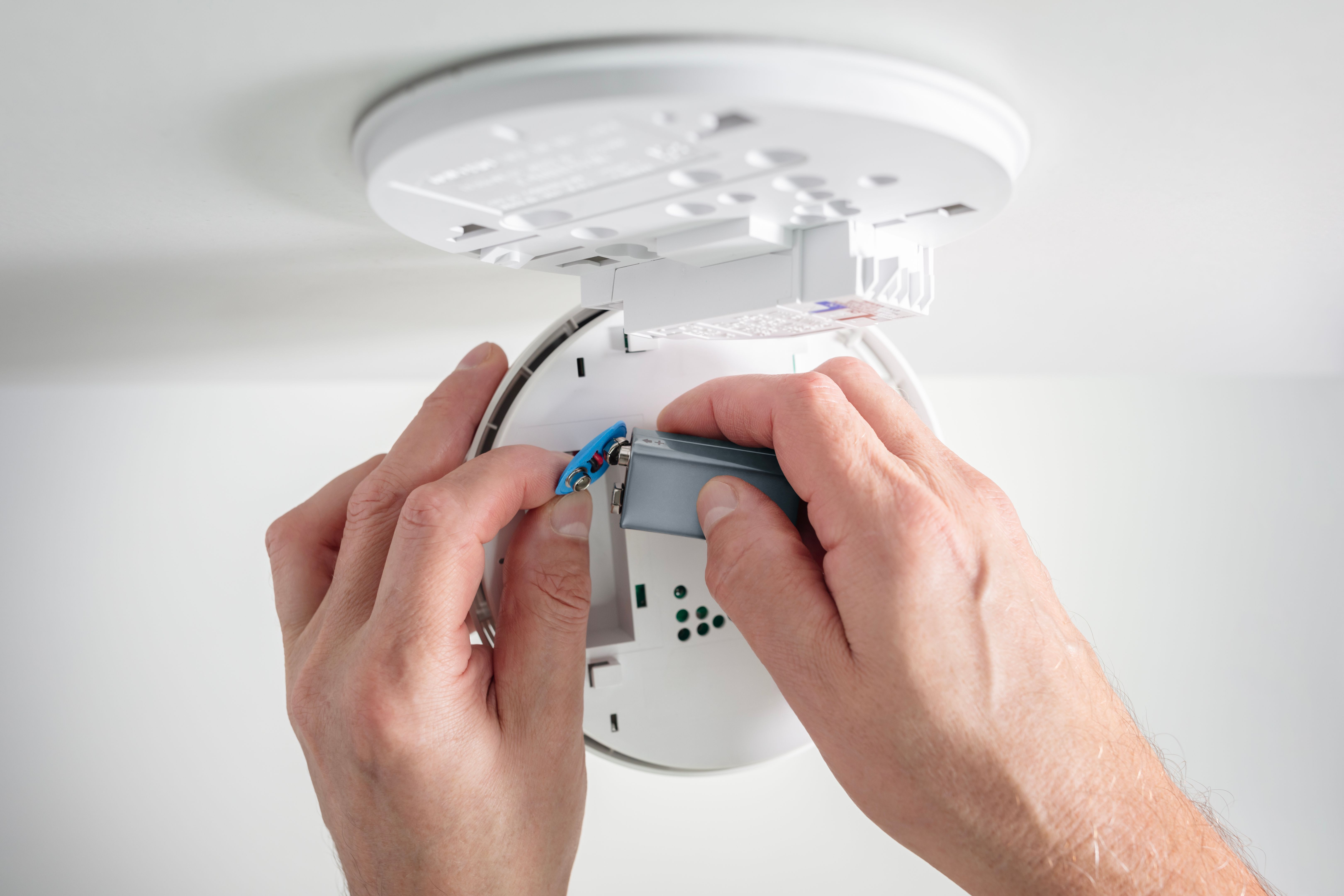
Myth 3: Fire Extinguishers Are Easy to Use
Many people believe they can easily operate a fire extinguisher in an emergency. However, without proper training, using a fire extinguisher can be challenging. The Evansdale Fire Department recommends familiarizing yourself with the PASS technique: Pull, Aim, Squeeze, and Sweep.
- Pull: Pull the pin to break the tamper seal.
- Aim: Aim low, pointing the extinguisher nozzle at the base of the fire.
- Squeeze: Squeeze the handle to release the extinguishing agent.
- Sweep: Sweep from side to side at the base of the fire until it appears to be out.
Myth 4: Flames Are the Only Danger
It's easy to focus solely on flames during a fire, but smoke inhalation is a leading cause of fire-related injuries and deaths. Smoke can overcome individuals quickly, making evacuation critical. Stay low to the ground to reduce smoke inhalation while exiting.
Myth 5: Water Can Extinguish Any Fire
Many assume water is the universal solution for extinguishing fires. However, using water on certain fires, like grease or electrical fires, can be dangerous. It's crucial to use the correct type of extinguisher and understand the nature of the fire.
- Class A: Ordinary combustibles (wood, paper, cloth)
- Class B: Flammable liquids (gasoline, oil)
- Class C: Electrical equipment
- Class K: Cooking oils and fats
Myth 6: Children Understand Fire Safety
Never assume children fully understand fire safety. Regular education and drills are vital to ensure they know what to do in case of a fire. The Evansdale Fire Department offers programs to teach children about fire safety in an engaging and informative way.
By dispelling these myths, the Evansdale Fire Department hopes to enhance community awareness and preparedness. Remember, taking proactive measures today can save lives tomorrow.